
Welcome to the future of learning, where digital tools are fundamentally reshaping how students engage, focus, and thrive in highly collaborative educational environments today.
Discover how integrating innovative technology creates focused, engaging classrooms. This comprehensive guide explores actionable strategies for enhancing collaboration, innovating assessments, and empowering student ownership. You will learn to navigate common pitfalls, apply expert insights, and ultimately transform your educational approach for better outcomes.
The Evolution of Classrooms in the Modern Era
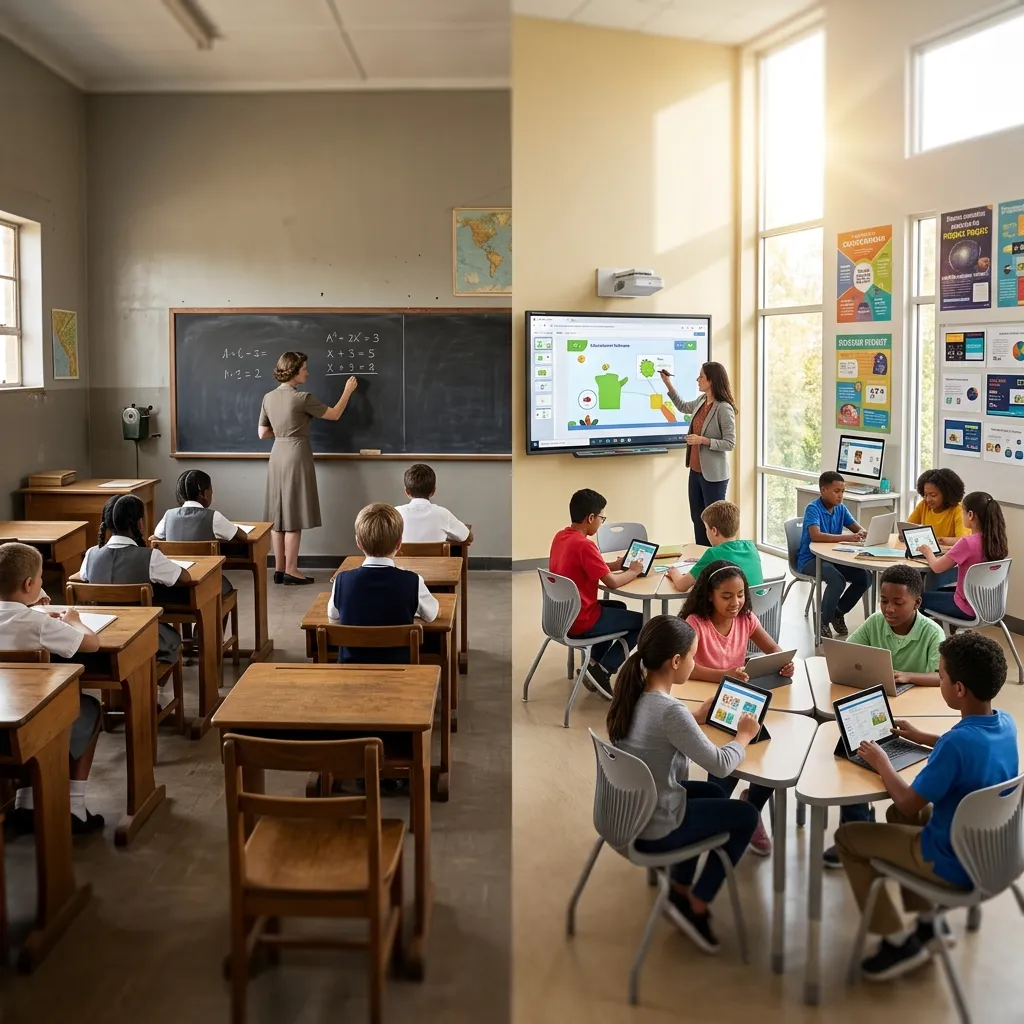
Education is undergoing a profound shift. Traditional lecture-based classrooms are rapidly evolving into dynamic, interactive spaces. At the heart of this transformation is the strategic implementation of digital tools. These resources do much more than simply digitize textbooks; they reimagine the entire pedagogical landscape. When utilized thoughtfully, they help cultivate an atmosphere of calm and intense focus, cutting through the noise of modern distractions.
Educators worldwide are recognizing that technology is not a replacement for human connection. Instead, it serves as a powerful conduit for deeper learning. By integrating systems that support student-centered pedagogy, teachers can meet diverse learning needs efficiently. The goal is to move beyond passive consumption, encouraging active participation and critical thinking. As we explore the impact of these resources, it becomes clear that purposeful integration is the key to unlocking student potential.
How digital tools Enhance Student Collaboration
The days of isolated learning are behind us. Today, digital tools provide unprecedented opportunities for students to connect, share, and build knowledge together. This connectivity breaks down geographical and physical barriers, creating inclusive communities of learners.
Fostering Real-Time Peer Interaction
Platforms designed for educational collaboration allow students to work on shared documents, participate in discussion threads, and engage in peer review seamlessly. This real-time interaction mimics the modern workplace, preparing students for future careers. When students collaborate using these platforms, they develop essential soft skills, including communication, empathy, and negotiation.
Expanding Global Perspectives
Beyond the walls of the classroom, digital tools enable global connections. Students can collaborate with peers across the world on joint projects, comparing cultural perspectives and tackling global challenges. This exposure is invaluable. It broadens their worldview and helps them understand complex issues from multiple angles. Integrating global digital citizenship into the curriculum ensures students navigate these interactions responsibly and ethically.
Innovating Assessment and Feedback
Assessment is a critical component of the learning cycle, but traditional testing often falls short of capturing a student’s true understanding. Modern technology transforms how we evaluate progress, making it more accurate, timely, and supportive of ongoing learning.
The Shift to Formative Assessment
Digital tools shine in the realm of formative assessment. Rather than waiting for a final exam, educators can gauge understanding in real-time through interactive quizzes, polls, and quick-response activities. This immediate feedback loop allows teachers to adjust their instruction on the fly, addressing misconceptions before they become entrenched. Effective formative assessment strategies empower both the teacher and the student to take charge of the learning journey.
Personalized Feedback Mechanisms
Technology allows for highly detailed, personalized feedback. Instead of a simple letter grade, students can receive audio notes, video explanations, or annotated digital portfolios that highlight their strengths and areas for improvement. This nuanced approach helps students focus on growth rather than just the final score, reducing test anxiety and fostering a calmer approach to evaluation. For more insights on the importance of modern assessments, organizations like Edutopia provide extensive research on the subject.
Empowering Student Ownership and Self-Directed Learning
One of the most profound impacts of technology in education is the shift of agency from the teacher to the student. When learners have control over their educational paths, engagement and motivation skyrocket.
Cultivating Independent Inquiry
Digital tools provide students with access to a vast universe of information. They are no longer limited to what is presented in a textbook. By guiding students on how to research effectively and evaluate sources, educators empower them to pursue their own interests within the curriculum. This self-directed inquiry builds confidence and fosters a lifelong love of learning. Incorporating blended learning models offers the perfect mix of guided instruction and independent exploration.
Creating Portfolios of Mastery
Instead of traditional grading, many schools are moving toward competency-based education. Here, students use digital tools to curate portfolios of their best work over time. They can include essays, videos, coding projects, and multimedia presentations. This holistic view of their capabilities allows students to take pride in their progress and vividly demonstrate their mastery of complex concepts.
Selecting and Vetting Vendors

Once you have a clear understanding of organizational requirements, proceed to shortlist vendors that meet your essential criteria. Aim for a manageable list of four to six providers. Begin by researching third-party review platforms such as Gartner Peer Insights or Capterra to gauge market sentiment. Pay attention to consistent praise—or criticism—around usability, customer support, and feature breadth. Complement these insights by requesting case studies or references from organizations in your industry.
Schedule live product demonstrations and secure trial access wherever possible. During demos, observe how quickly users can navigate between screens, generate reports, or set up workflows. Encourage representative end users to test the solution in scenarios mirroring their daily tasks. Collect structured feedback through a short survey that rates ease of use, visual design, and functionality completeness. This user-centric approach ensures the solution will be adopted rather than merely implemented.
Assess vendor credibility on multiple fronts:
- Financial stability: Review annual reports or press releases to confirm ongoing investment in product development.
- Roadmap transparency: Request insight into planned enhancements, update frequency, and long-term vision.
- Support infrastructure: Verify service-level agreements (SLAs) for downtime, response times, and escalation paths.
- Security and compliance certifications: Request evidence of SOC 2 Type II, ISO 27001, or similar credentials.
Finally, negotiate contract terms that align with your risk tolerance. Include provisions for data ownership, exit clauses, upgrade paths, and price adjustments. Establish a clear matrix for success criteria within the agreement, tying payment milestones—if you choose a phased rollout—to specific adoption or performance metrics. By rigorously vetting vendors, you minimize surprises down the road and gain a reliable technology partner rather than just a software provider.
Comparison: Reactive vs. Proactive Educational Frameworks
To truly transform the educational landscape, institutions must move away from punitive, reactive models and embrace proactive, empowering frameworks powered by intentional digital tools.
|
Feature |
Reactive Educational Model |
Proactive Tech-Enhanced Model |
|---|---|---|
|
Approach to Technology |
Bans devices entirely, uses punitive measures. |
Leverages purposeful digital tools for self-management. |
|
Focus Strategy |
Expects innate focus, penalizes distraction. |
Teaches focus as a trainable, neuroplastic skill. |
|
Workflow Management |
Manual tracking, scattered paper resources. |
Centralized digital tools providing automated delivery. |
|
Handling of Distraction |
Shames students, isolates those struggling. |
Normalizes the struggle, offers cognitive behavioral strategies. |
|
Long-Term Outcome |
High stress, sneaky behavior, poor mental health. |
Cultivated calm, deep focus, academic resilience. |
Actionable Strategies for Students and Educators
While institutional changes are vital, both students and educators must take personal responsibility for their attention. Cultivating focus in the age of omnipresent digital entertainment requires deliberate effort and the implementation of specific, actionable strategies using optimized digital tools.
Implementing the Pomodoro Technique
The Pomodoro Technique is a highly effective time-management method that breaks work into intervals, traditionally 25 minutes in length, separated by short breaks. This method is particularly useful for students struggling with digital distractions, as it provides a structured timeframe for focus.
During the work period, the student must commit to absolute singular focus. Using dedicated digital tools like minimal timer apps can facilitate this process. Knowing that a break is only a few minutes away makes it much easier to resist temptations.
Conducting a Digital Detox
Periodically disconnecting from all non-essential applications can help reset a student’s dopamine baseline. A digital detox doesn’t have to be a month-long retreat; it can be as simple as a tech-free Sunday or implementing a rule where screens are turned off two hours before bedtime.
During this time, the brain rests from hyper-stimulation. Students often report that after a brief detox, their ability to concentrate on complex academic texts significantly improves. When they return to their studies, they can use their educational digital tools with renewed intention and clarity.
Pro Tips for Sustained Focus
To truly master the art of academic focus, it is helpful to look at the habits of highly successful learners and psychological experts. Proper utilization of digital tools is a common denominator among top performers.
- Audit Your Environment: Before starting a study session, customize the interfaces of your educational digital tools to show only essential metrics. Hide extraneous data that might cause anxiety.
- Define Your Intentions: Never sit down to just study. Have a specific, measurable goal for each session, and use task-management digital tools to track your progress.
- Use Friction to Your Advantage: Make it physically difficult to access distracting platforms by logging out, deleting the apps during the school week, or using complex passwords.
- Leverage Drip Content: Educators should use digital tools that allow for drip-campaign technology to release course materials incrementally, preventing learners from feeling overwhelmed.
Common Mistakes to Avoid
Even with the best intentions, students and educators often fall into traps that hinder the development of calm and focus. Recognizing these common pitfalls is essential for creating a sustainable educational environment when integrating new digital tools.
- Relying Solely on Willpower: Willpower is a finite resource that depletes throughout the day. Build systems and boundaries using blocking digital tools instead of relying on pure discipline.
- Treating All Screen Time as Equal: Writing an essay on a laptop is not the same as scrolling through social media. Education should focus on the quality and intent of screen time.
- Over-Complicating the Tech Stack: Using too many different digital tools at once creates cognitive overload. Stick to a few versatile platforms that integrate seamlessly.
- Leaving Notifications On: Failing to disable non-essential alerts on educational digital tools will constantly pull students out of their deep focus.
The Future of Education and Digital Well-being
As technology continues to evolve, the challenge of maintaining focus will only become more complex. Virtual reality, augmented reality, and increasingly sophisticated algorithms will create new frontiers of distraction. However, the foundational skills of mindfulness, calm, and deliberate attention will remain universally applicable.
By directly addressing the impact of continuous connectivity and strategically deploying the right digital tools, educational institutions can pioneer a new pedagogical approach. This approach values the quality of a student’s attention as much as the content they are memorizing. It recognizes that to teach a student how to learn, we must first teach them how to focus.
The integration of emotional intelligence training alongside traditional academics will prepare students not just for examinations, but for life in a highly distracted world. When students learn to navigate the digital landscape with intention and awareness, they unlock their true intellectual potential.
Ultimately, the goal is not to create a sterile, tech-free environment, but rather to foster a mindful relationship with technology. The appropriate digital tools can act as guardrails, guiding students toward productive habits. Education transformed by calm and focus is education that empowers the whole student, leading to a more thoughtful, innovative, and productive society.
In conclusion, transforming modern classrooms requires more than just abandoning technology; it requires the deliberate, mindful application of educational digital tools. By prioritizing calm, reducing cognitive load, and building structured environments, we empower students to reclaim their focus. Audit your current software stack today and take the first step toward a more focused academic future.
Empowering Users with Training and Support
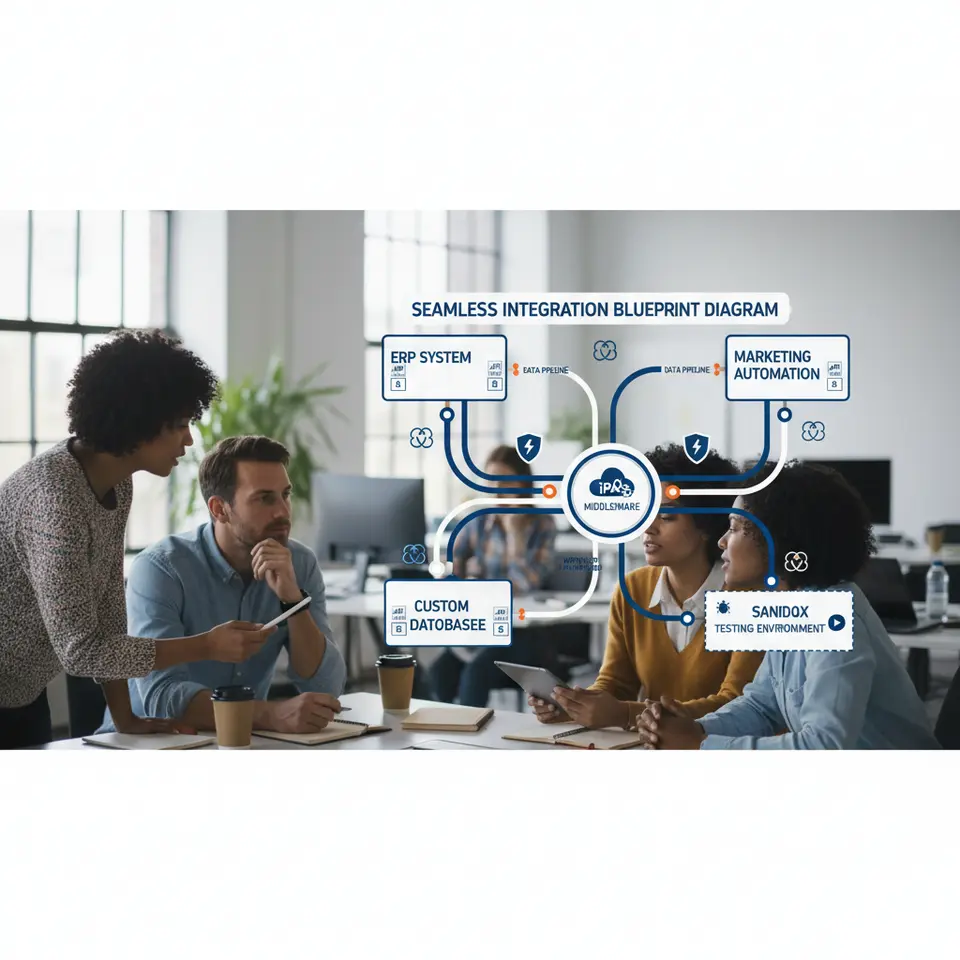
High adoption rates are essential to realize the full benefits of any new digital platform. To foster enthusiasm and competence, develop a multi-tiered training program that addresses the needs of various user roles—executives, managers, and frontline staff. Blend instructional modalities to cover diverse learning preferences:
- Live workshops: Interactive sessions that guide users through real-world scenarios.
- On-demand tutorials: Short videos or e-learning modules accessible via a centralized knowledge base.
- Interactive quizzes: Gamified assessments that reinforce key concepts and reward progress.
- Peer mentoring: Designate “tool champions” in each department who can provide hands-on assistance and share best practices.
To sustain momentum beyond the initial launch, create ongoing reinforcement mechanisms. Organize monthly office hours where experts address questions, host webinars showcasing advanced features, and distribute a monthly newsletter highlighting new tips, success stories, and upcoming enhancements. Introduce friendly competitions—leaderboards that track task completion rates, workflow innovations, or community contributions. Recognizing top performers with small rewards or public acknowledgment further encourages sustained engagement.
Regularly collect user feedback through pulse surveys to identify friction points and update training materials accordingly. Tracking metrics such as log-in frequency, feature utilization rates, and completion rates for training modules will help you gauge overall adoption health. When you observe underutilized features, conduct targeted follow-up sessions to demonstrate value and answer user questions. A thoughtfully designed training and support strategy transforms hesitant adopters into enthusiastic advocates, ensuring that your investment in digital tools delivers lasting business impact.
Conclusion
Successfully implementing digital tools in 2026 demands a holistic approach that unites strategic planning, careful vendor selection, seamless integration, user-focused training, and unwavering commitment to security and measurement. By thoroughly assessing your organization’s requirements, vetting partners rigorously, and designing robust integration and support frameworks, you lay the groundwork for transformative change. Embedding continuous feedback loops and quantifiable KPIs ensures you protect your investment and articulate value clearly to stakeholders.
As technology continues to evolve, companies that adopt a proactive, data-driven mindset will differentiate themselves in crowded markets. Embrace iterative improvements—pilot new features in sandbox environments, scale successful experiments, and adapt your roadmap to emerging trends such as AI-driven automation or low-code development platforms. With these strategies, you’ll not only achieve a smooth rollout of digital solutions but also future-proof your organization for whatever innovations lie ahead. The journey to digital excellence starts today—commit to these principles, and watch your teams unlock new levels of productivity, innovation, and competitive advantage this year (2026).
Frequently Asked Questions
1. What exactly are educational digital tools?
Educational digital tools refer to software, applications, and platforms designed specifically to facilitate learning, manage academic workflows, and organize coursework in a way that minimizes distraction and maximizes student engagement.
2. How do these tools improve student focus?
By automating administrative tasks and centralizing resources, these tools reduce the cognitive load on students. They minimize frustration and free up mental energy, allowing learners to maintain deep, sustained academic focus.
3. Can technology really make learning calmer?
Yes. When integrated thoughtfully, the right digital tools can deliver materials at a manageable pace, block out external digital noise, and provide clear, organized pathways for studying, which promotes a calmer learning experience.
4. What is the biggest mistake schools make with educational software?
The most common mistake is over-complicating the tech stack. Implementing too many different digital tools simultaneously causes confusion and distraction, which undermines the goal of cultivating a calm learning environment.
5. How should students handle notifications during study sessions?
Students should establish strict habits to disable all non-essential notifications on their devices and digital tools. Only critical alerts should remain active, ensuring they can engage in deep work without interruptions.
6. Do these platforms replace traditional teaching methods?
No, they do not replace human educators. These digital tools are meant to act as a supportive framework that handles logistics and data, allowing teachers to focus more on direct mentorship, instruction, and student well-being.
7. How do website blockers support academic focus?
Website blockers act as strict digital tools that introduce friction into the browsing experience. By preventing automatic access to distracting sites, they force students to pause and reconsider their actions, supporting long-term self-regulation.
8. Why is teaching digital literacy important for focus?
Digital literacy teaches students how algorithms and platforms are designed to capture attention. Understanding this empowers students to use their digital tools intentionally rather than passively consuming content.
9. How can independent learners use these tools effectively?
Independent learners can use task-management and timer digital tools to build personal study dashboards, automate their schedules, and track their learning metrics, helping them stay organized without external supervision.
10. Where can educators find the best software for their classrooms?
Educators can consult authoritative educational technology organizations, attend seminars on digital well-being, and collaborate with IT professionals to discover the most effective digital tools for promoting calm and focus.